Dysphagia, or difficulty swallowing, is a problem that impacts lots of people, specifically the senior and those with certain clinical conditions. It can considerably influence one's lifestyle and pose serious wellness dangers otherwise managed effectively. For caretakers, nurses, and medical care staff, understanding dysphagia is important in offering ample treatment and assistance. This guide checks out effective dysphagia training courses developed for various professionals involved in dysphagia management.
What is Dysphagia?
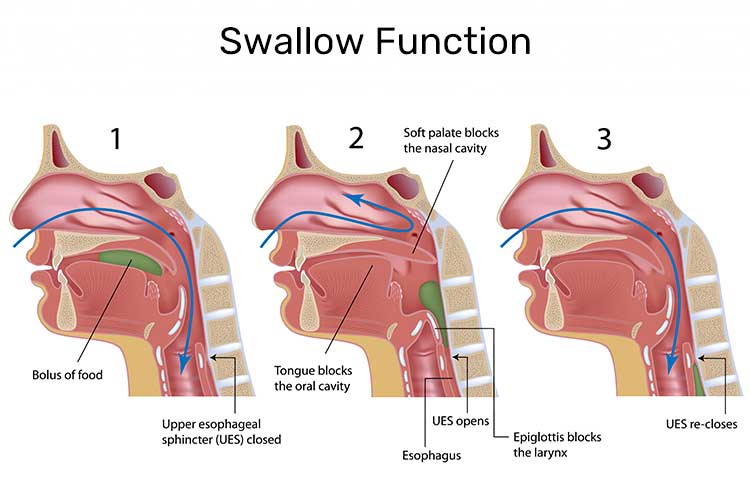
Dysphagia refers to a swallowing condition that can result from different underlying issues like neurological conditions, structural problems, and even age-related changes. People with dysphagia often experience difficulty in swallowing strong foods, fluids, and even saliva. Symptoms might include coughing during meals, an experience of food getting stuck in the throat or upper body, and recurring lung infections because of aspiration.
The Relevance of Understanding Dysphagia
Understanding dysphagia is essential for doctor as it helps them determine symptoms early on and execute proper interventions. Furthermore, correct understanding improves person safety and security during mealtime and boosts total individual satisfaction.
Why is Dysphagia Training Necessary?
Dysphagia training for carers and healthcare staff is important for a number of reasons:
Enhances Client Safety: Proper training lowers the threat of choking and aspiration. Improves Top quality of Care: Trained team can tailor nutritional strategies to fulfill specific client needs. Increases Self-confidence: Personnel who are knowledgeable concerning dysphagia are more certain in managing people effectively. Promotes Interdisciplinary Partnership: Training urges team effort among healthcare professionals.Types of Dysphagia Training Courses
Different training programs deal with varying specialist requirements within the health care field:
1. Dysphagia Training for Nurses
Nurses play a vital function in recognizing dysphagic people and carrying out proper interventions. Specialized dysphagia training courses furnish nurses with abilities such as:
- Assessing ingesting function Recognizing indications of aspiration Implementing secure feeding techniques
2. Dysphagia Training for Carers
Carers typically spend substantial time with clients facing dysphagia difficulties. For that reason, specialized training concentrated on sensible abilities can encourage carers to offer much safer care routines.
3. Dysphagia Care Training for Healthcare Staff
All healthcare employee ought to receive standard education and learning on dysphagia administration as component of their first training programs. This guarantees a comprehensive approach to individual care.
4. Online vs In-Person Dysphagia Courses
Both online and in-person programs have their pros and cons:
|Aspect|Online Courses|In-Person Courses|| -------------------------|--------------------------------------------------|----------------------------------------------|| Adaptability|High; find out at your own speed|Less flexible; taken care of schedule|| Interaction|Restricted interaction|Straight interaction with instructors|| Price|Frequently cheaper|May call for travel costs|| Availability|Available from anywhere|Limited by location|
Key Elements of Effective Dysphagia Training
Successful dysphagia training programs should consist of numerous crucial elements:
1. Evidence-Based Practices
Training must be grounded in current study searchings for to guarantee that the methodologies instructed are both efficient and safe.
2. Hands-On Practice
Incorporating useful workouts allows individuals to gain real-life experience via simulations or role-playing scenarios.
3. Assessment Techniques
Participants need to find out exactly how to analyze ingesting troubles successfully utilizing standard tools.

4. Nutritional Considerations
Understanding dietary alterations plays a crucial duty in handling dysphagic clients. Training should cover how to prepare customized diet plans securely while keeping nutritional balance.
Understanding Various Sorts of Dysphagia Courses Available
Several establishments offer customized programs based upon details requirements:
1. Temporary Workshops
These workshops give compressed info on crucial principles related to dysphagia management over a couple of hours or days.
2. Comprehensive Certification Programs
Certification programs supply a substantial introduction of all elements related to dysphagia, including hands-on method over a number of weeks or months.
3. Specialized Advanced Courses
For experienced experts wanting to deepen their expertise, advanced courses explore intricate cases and novel treatment methods.
Who Demands Dysphagia Training?
While mainly focused on medical care specialists such as registered nurses and carers, any individual involved in food preparation or offering food-- like relative-- can take advantage of comprehending dysphagic problems better.
Evaluating the Effectiveness of Dysphagia Training Programs
To figure out whether a training course works, take into consideration these crucial elements:

- Participant comments: Gather understandings from previous attendees. Course content: Guarantee it aligns with the current research. Practical application: Look for chances within the training course structure for hands-on experiences.
Technology's Role in Dysphagia Management
With advancements in technology, countless electronic sources aid in recognizing dysphagic conditions better:
- Mobile applications supply guidelines on meal prep work appropriate for people with ingesting difficulties. Telehealth services offer remote assessments by specialists when needed.
Challenges Dealt with by Care Team Regarding Dysphasia Management
Care staff often encounter challenges when handling clients experiencing dysphasia:
Lack of understanding regarding assessment techniques dysphagia training courses Difficulty implementing nutritional modifications Emotional anxiety from witnessing person strugglesBy participating in thorough training programs like "dysphagia care training," these obstacles can be reduced effectively!
FAQs About Understanding Dysphasia
1. What prevail reasons for dysphaia?
Dysphaia can arise from neurological disorders (like stroke), architectural problems (such as growths), or weakened muscle mass because of aging or diseases like ALS.
2. How can I aid someone with dysphaia eat?
Encourage little attacks, ensure they rest upright while eating/drinking, and check them carefully during meals for any kind of signs of distress.
3. Exist various sorts of diets recommended?
Yes! Diet plans might consist of pureed foods or thickened liquids relying on private assessments made by skilled experts following evidence-based guidelines.
4. Where can I locate trustworthy sources regarding dysphaia?
Many reputable companies like ASHA (American Speech-Language-Hearing Organization) provide useful resources online concerning evaluation devices & & therapy options offered today!
5. What credentials do trainers need for training concerning dypahgia?
Trainers commonly hold scientific degrees related (e.g., Speech-Language Pathologists) plus qualifications pertinent especially towards informing others concerning this condition!
Conclusion
Understanding Dysphasia: A Guide to Reliable Training Courses provides necessary understandings right into just how caregivers and healthcare experts can improve their abilities via specialized education programs customized towards managing this problem efficiently! With proper training comes self-confidence leading eventually in the direction of enhanced person end results-- guaranteeing those affected receive quality treatment they deserve! By spending time right into learning about such vital subjects one not only elevates personal knowledge however also adds positively towards neighborhood health overall!